|
Weekend Reads from CEPI
Edition 40 · October 9, 2026
Home Countries in the Classroom
Every student in the room can now start the discussion from the country they know best.
|
Dear Colleagues, Picture a Tuesday morning class on our campus. Three students grew up in Hyderabad, and two learned to walk in Kathmandu. One spent her childhood in São Paulo. The student by the window still calls his grandmother in Kraków every Sunday, and one texts her family in Guadalajara every evening. Today you are teaching privacy law. Until now, the examples on your slides came from the one or two countries you know well, usually the United States. The student from Kathmandu translated each example into Nepal in her head, and so did most of the room. Now picture the same room with a stack of printed cards. Each table holds a card with a country’s name and a QR code. A student points her phone at the Nepal card. Google opens with a question already typed in. It asks what the law in Nepal says about recording people. Within a minute she is reading about her own country’s law. At the next table, the Mexico group reads the same question about Mexico in Spanish, and the Brazil group reads it in Portuguese. Adding this kind of personalization takes a lot of time and effort, and that time is not available for every class and every session. At CEPI, we have built a tool that makes this lift easier. If you know your students’ countries of origin and the questions you want to explore, the tool turns them into QR codes. Each code opens a scenario and a conversation set in that student’s chosen country, bringing another familiar context into the discussion. In this scenario, you wrote that question once. The tool, a Gemini Gem, turned it into a card for every country in the room in about a minute. By the end of the hour, the board holds five countries and California side by side. Every student has explained the place they know best to classmates who have never been there. The cards change as fast as your questions do. A finance class can ask how each country taxes a corner shop. A psychology class can ask how each country talks about stress. A computer science class can ask which languages and scripts each country types online. Next week’s class can have a fresh set of cards in the time it takes to write one question. |
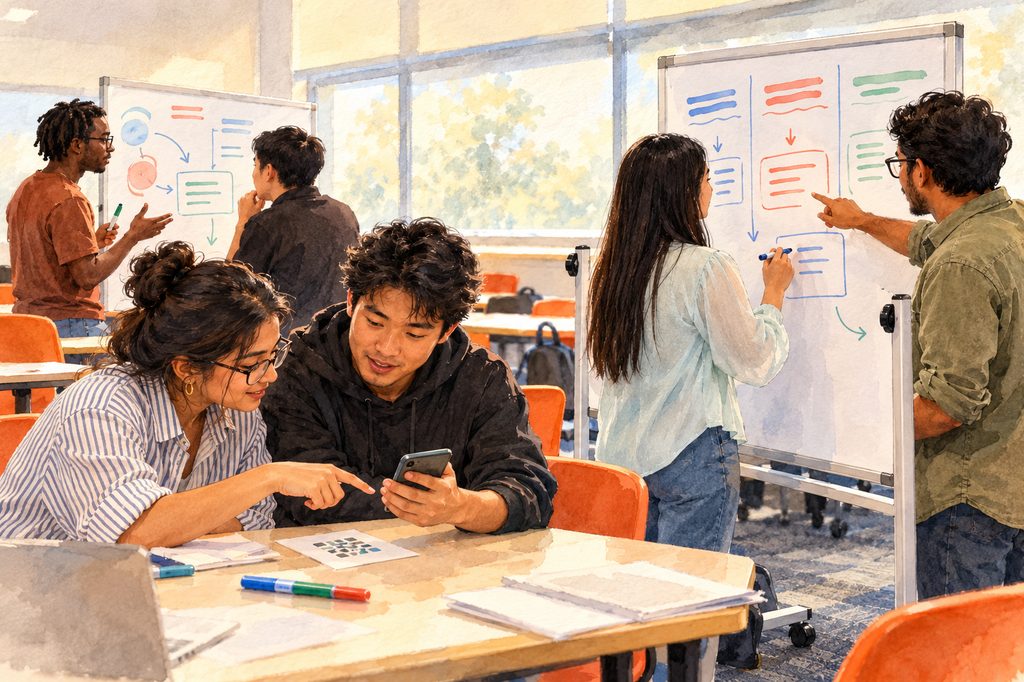 |
| Two students read their country’s answer while the next group maps what it found on the board. |
| Illustration of an imagined class session | Image credit: Concept by Anzar Khaliq | Center for Empowerment and Pedagogical Innovation (CEPI), San Francisco Bay University | Visuals created with ChatGPT |
|
 The Five Stops
|
The same five stops work in most courses. No student has to speak for a country. Each one brings a perspective to a question the class investigates together. |
| Each student chooses a home country, a place important to their family, or one they want to understand. | | Students check one claim against an official source, then compare findings. | | The board shows what sources say, what people might expect, and what is still unknown. | | The class looks at California and US law, where everyone lives now. | | Teams design a product, policy or plan that works in every country. |
|
| The bars widen as the discussion grows, from one student’s country to a plan that works in every country. |
|
 Example: Camera Glasses and Privacy Law
|
In July 2026, the New York court system banned smart glasses from its courthouses because they can record. In September 2026, Meta announced new glasses with no camera. Laws on recording people differ from country to country. Your students’ views on being recorded may differ too. The five codes below are real cards for Uzbekistan, Nepal, China, Mexico and California. Each code opens Google AI Mode, the chat version of Google Search, with the question typed in. The Mexico card asks in Spanish. Scan two codes with your phone and compare the answers. |
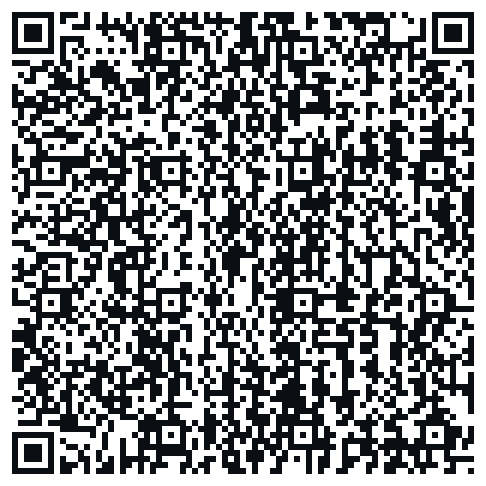 Uzbekistan Home |
| 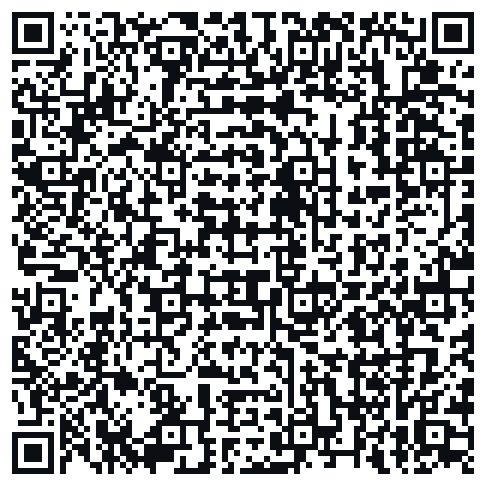 Nepal Home |
| 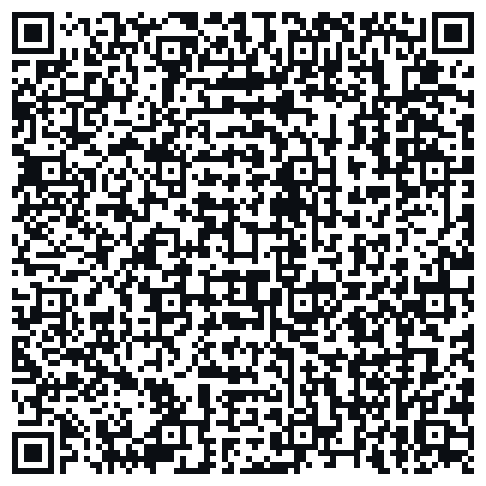 China Home |
|
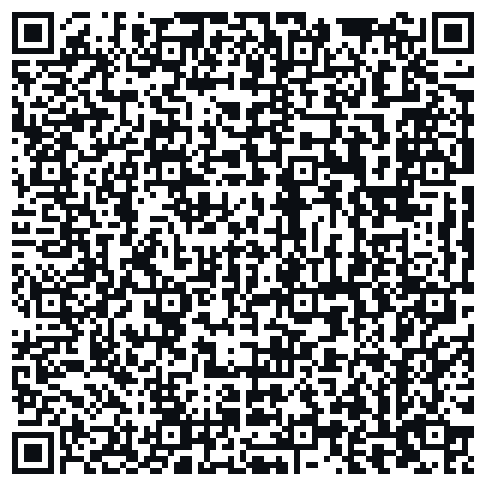 Mexico Home · in Spanish |
| 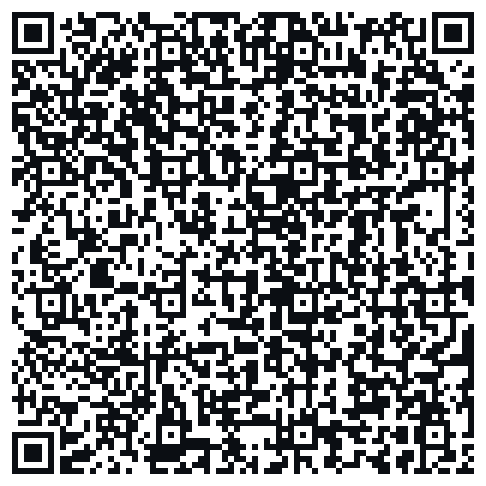 California Here, where everyone lives |
|
|
 The question inside each country’s code
I’m a university student from {country}, now studying in California. Camera glasses can record the people near the wearer. In plain language and under 250 words, what does the law in {country} say about recording people and using their personal data? Name the main laws, their years and what led to them. Give links to official sources where possible, say what remains uncertain, and suggest three questions to discuss with classmates from other countries. |
|
A student who chooses a country they want to understand can start with “I’m a university student in California, learning about {country}” instead. The CEPI Gem offers both versions. |
|
 Class Steps After the Scan
|
The scan is stop 1. The numbers below match stops 2 to 5. |
| 2 | Seat students who chose different countries at one table. Each student picks one claim from their answer and checks it against an official source. They mark what the source supports and what they could not confirm. Then the table compares. What does each country require? Which differences would matter to someone wearing the glasses? |
|
|
| 3 | Ask the whole room two questions. Could a guest wear camera glasses at a wedding in your country? Could a student wear them in a classroom? For each country, write three rows on the board. The first row holds what the checked sources say. The second holds what students think people would expect. The third holds what the class still needs to find out. Students can share what they have seen without having to know the law. |
|
|
| 4 | Scan the California code together. All of your students live under California law now. Ask which differences would matter to someone studying, working or launching a business here. |
|
|
| 5 | Give each team one brief that must work in every country on the board. In a marketing course, the brief is a launch plan for camera glasses. In a management course, it is a workplace policy for employees who wear them. In a computer science course, it is the recording controls and privacy settings in the glasses’ software. In a law or ethics course, it is one rule for using the glasses in a shared space. Each team explains what can stay the same everywhere, what must change, and what they would check before putting the plan into practice. |
|
|
|
 Research Background
|
In 1992, Luis Moll and colleagues reported on teachers in Tucson, Arizona. The teachers visited their students’ homes. They recorded what each family knew, such as construction, ranching and trade across the border. The researchers called this funds of knowledge, meaning the skills and knowledge a household uses every day. The teachers then built classroom units on that knowledge. In 2015, Jos Beelen and Elspeth Jones wrote about internationalization at home, meaning international content placed in ordinary courses for every student. They pointed out that most students never study abroad. These studies help explain why students’ knowledge and international perspectives belong in the classroom. In this activity, the learning comes from checking sources, comparing findings, and using those differences to make decisions. |
|
 The CEPI Home Country Kit Gem
|
CEPI built a Gemini Gem that makes the codes for you. Every SFBU faculty member can use it with an SFBU Google account. |
| 1 | Type the countries, or upload a list. The Gem uses only the country names. It makes one card and one code for each country. |
|
|
| 2 | Type your question. A rough idea is fine. The Gem rewrites it with the five parts and asks you to approve it. |
|
|
| 3 | Reply yes. The Gem builds a kit for you to download. It contains the QR codes and instructions you can use in your slides and in class. |
|
|
|
| If the build shows an error, choose Pro in the model menu and reply yes again. |
To see a finished kit first, open the sample kit on the CEPI Canvas Hub.
Prefer to make the codes yourself? Write to cepi@sfbu.edu, and we’ll send you the steps and a template. |
|
 Before You Bring It to Class
Let students choose their country. Some have more than one place they call home. Others may prefer to investigate somewhere else without discussing their background.
Expect answers that need correcting. Check the dates and sources, especially for laws and regulations, and open the sources the AI names.
Choose the language of each question with your students. Ask which language each student reads most comfortably.
Students can work in pairs or teams, with one member scanning the code and sharing the response so everyone can take part.
|
|
 Weekend Prompt
Pick one topic you will teach in the next two weeks. Ask students which countries they would like to investigate, and build a kit with the CEPI Gem, one card for each country.
Before class, predict one difference you expect the class to find. After class, return to your prediction. Was it right? Which checked source or student contribution changed your view?
Send us your question and one thing the class discovered, and we’ll compare notes.
|
|
References
| • | Beelen, J., & Jones, E. (2015). Redefining internationalization at home. In A. Curaj, L. Matei, R. Pricopie, J. Salmi, & P. Scott (Eds.), The European Higher Education Area (pp. 59–72). Springer. | | • | Moll, L. C., Amanti, C., Neff, D., & González, N. (1992). Funds of knowledge for teaching: Using a qualitative approach to connect homes and classrooms. Theory Into Practice, 31(2), 132–141. | | • | Spectrum News State of Politics. (2026, July 16). Smart glasses set to be banned in New York courts. | | • | TechSpot. (2026, September 24). Meta’s new smart glasses skip the cameras, and the privacy backlash that came with them. |
|
|
|
Wishing you a reflective and restorative weekend.
Warmly,
Center for Empowerment and Pedagogical Innovation (CEPI)
© 2026 CEPI. All rights reserved.
|